

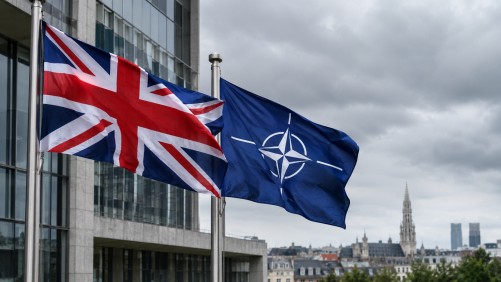
In a firm stance against Russia’s demands, British Prime Minister Andy Burnham has emphasized the autonomy of European nations in determining their own defense strategies. During the European Political Community summit in Dublin, Burnham reiterated the United Kingdom’s commitment to European security and confirmed that Britain’s submarine-based nuclear deterrent would continue as part of NATO’s collective defense framework.
Russia has reportedly called for NATO to withdraw its forces to its 1997 borders, halt further expansion, and cease military operations in certain European regions. Additionally, Moscow has urged for limitations on Western military support for Ukraine and the nuclear defense arrangements of European allies. These demands have been met with strong opposition from European leaders, who maintain that Russia cannot dictate the continent’s security policies.
Ukraine’s Foreign Minister Andrii Sybiha criticized Russian President Vladimir Putin’s ambitions to reshape Europe’s security landscape, highlighting Moscow’s failure to meet its military objectives in Ukraine despite enduring significant casualties. Sybiha’s comments underscore the broader European rejection of Russia’s attempts to alter the security order on the continent.
Finnish Defence Minister Antti Häkkänen also voiced strong disapproval of any proposals to negotiate Finland’s NATO membership, labeling such demands as unacceptable. Finland, along with other European nations, remains steadfast in its position that security decisions must be made independently and not under external pressure.
The debate over European security arrangements continues amid heightened tensions, but European leaders, including Prime Minister Burnham, are clear in their resolve to uphold the sovereignty of their defense policies, rejecting any external attempts to influence or reshape them.