

Among the ideas quietly under discussion in the margins of Gaza ceasefire negotiations is a proposal that could become either the bridge that unlocks the peace process or the compromise that derails it: Hamas placing its weapons in sealed depots under outside supervision, rather than formally surrendering them.
The concept, described by two regional officials involved in negotiations, would allow Hamas to claim it had not surrendered its arms while giving outside parties verifiable control over them. Variants of the idea include Hamas surrendering heavy weapons while retaining some handguns for policing purposes. The officials requested anonymity to discuss the sensitive negotiations.
Neither Israel nor the United States has endorsed such an arrangement. Israel has defined demilitarization comprehensively, extending from heavy weapons to individual rifles, with Netanyahu specifying that Hamas must surrender approximately 60,000 automatic rifles. The depot concept falls well short of that standard.
But the depot idea reflects a recognition that complete disarmament — Hamas fully and permanently giving up all weapons — may not be achievable on any near-term timeline. Hamas senior officials have said their forces need weapons to maintain law and order during the transition. A compromise that provides some verification and control over the arsenal may ultimately be more achievable than complete surrender.
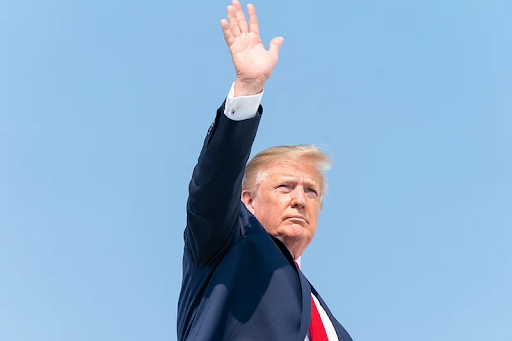
Trump’s Board of Peace, which held its first meeting Thursday in Washington, is the political forum where such compromises would need to be endorsed and managed. The board brings together more than two dozen nations — including some, like Qatar and Turkey, with direct influence over Hamas. Whether it can forge consensus around a workable disarmament framework is one of the defining tests of its first months.