

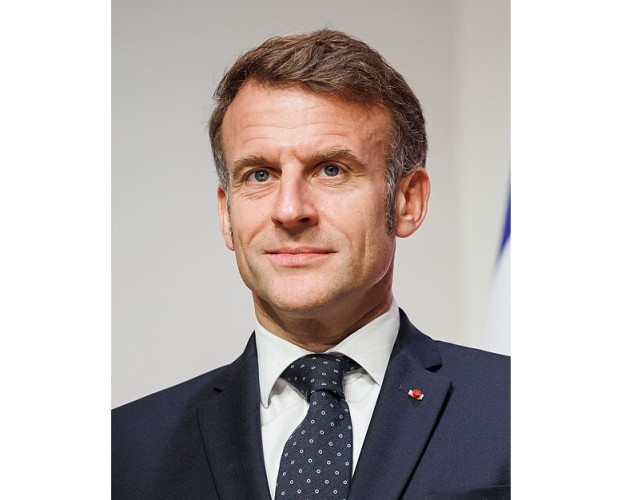
In a strategic move to foster engagement, French President Emmanuel Macron has crafted the agenda for the G7 summit in Évian-les-Bains to maintain the interest of US President Donald Trump during the three-day event. As global leaders gather, the focus will be on advancing resolutions to conflicts in Ukraine, Gaza, and Iran amidst escalating geopolitical tensions and economic concerns. A significant portion of the discussions will revolve around implementing the US-Iran peace agreement, with particular attention on reopening the Strait of Hormuz to ensure secure international shipping through this crucial energy passage.
The summit occurs against a backdrop of disrupted global trade, heightened shipping costs, and inflationary pressures, all consequences of ongoing Middle Eastern conflicts. These issues have prompted international financial institutions to lower growth forecasts while cautioning about rising costs for food, energy, and borrowing, which disproportionately affect developing nations. Ukrainian President Volodymyr Zelenskyy will be present to engage in talks centered on sustaining support for Ukraine and exploring diplomatic solutions to conclude the war, as European leaders advocate for a more substantial role in future peace processes.
The humanitarian situation in Gaza is poised to be another focal point, with leaders striving for progress on ceasefire initiatives and broader regional stability. Discussions with Middle Eastern leaders will likely address both the Gaza crisis and the wider implications of the Iran agreement. Beyond security concerns, the G7 will also tackle economic challenges such as supply chain resilience, critical minerals, artificial intelligence, and international development. Additionally, the rapid expansion of Chinese exports and global trade imbalances are expected to be significant topics on the agenda.
Macron’s aim is to forge consensus among G7 nations while steering clear of contentious debates that could overshadow the proceedings. Instead of issuing a comprehensive joint declaration, the outcomes of the summit are anticipated to be communicated through separate summaries that highlight key areas of agreement. This gathering is seen as a crucial test of international collaboration amid geopolitical uncertainties, economic pressures, and evolving global alliances.