

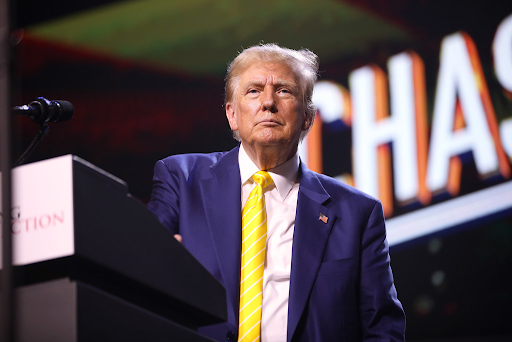
The global economy is facing a new wave of uncertainty after President Trump announced a 15% tariff on all imports, an increase from the previously planned 10%. The announcement followed a major setback for the administration at the Supreme Court, which had ruled that the President overstepped his bounds by not seeking Congressional approval for his trade policies. In response, Trump has turned to an obscure 1974 law to keep his tariff agenda alive for at least another 150 days.
Trump’s Saturday Truth Social post was an aggressive defense of his “America First” philosophy. He argued that the 15% level is “fully allowed” and necessary to stop foreign countries from “ripping” the U.S. off. The President’s willingness to escalate the trade war despite judicial pushback has sent a clear signal that he intends to use every available legal tool to bypass traditional legislative hurdles. This has left many wondering what his next move will be once the 150-day window expires.
International reaction has been swift and critical. The UK’s British Chamber of Commerce described the hike as “bad for trade” and warned it would weaken global growth. German Chancellor Friedrich Merz echoed these sentiments, noting that businesses need clarity, not “constant uncertainty.” Merz plans to travel to Washington to deliver a unified European message, stressing that these tariffs ultimately harm the very people they are supposed to protect by raising prices and stifling innovation.
Domestically, the fallout is already being felt. While Trump aims to revitalize manufacturing, the reality for many U.S. businesses is a sharp increase in the cost of raw materials and finished goods. Because 90% of these tariffs are typically paid by the importing American companies, the 15% tax acts as a significant internal levy. This has led to a surge in requests for refunds from the $130 billion already collected under previous orders—requests that Trump has labeled as a “battle” he is ready to fight.
Looking ahead, the 15% tariff excludes certain vital categories like pharmaceuticals and critical minerals, providing a small buffer for the healthcare and tech sectors. However, for most other imports, the new rate begins this coming Tuesday. As the administration works on “legally permissible” long-term tariffs, the next five months will be a critical test of whether the U.S. can sustain such high trade barriers without triggering a global recession or a permanent rift with its closest allies.