

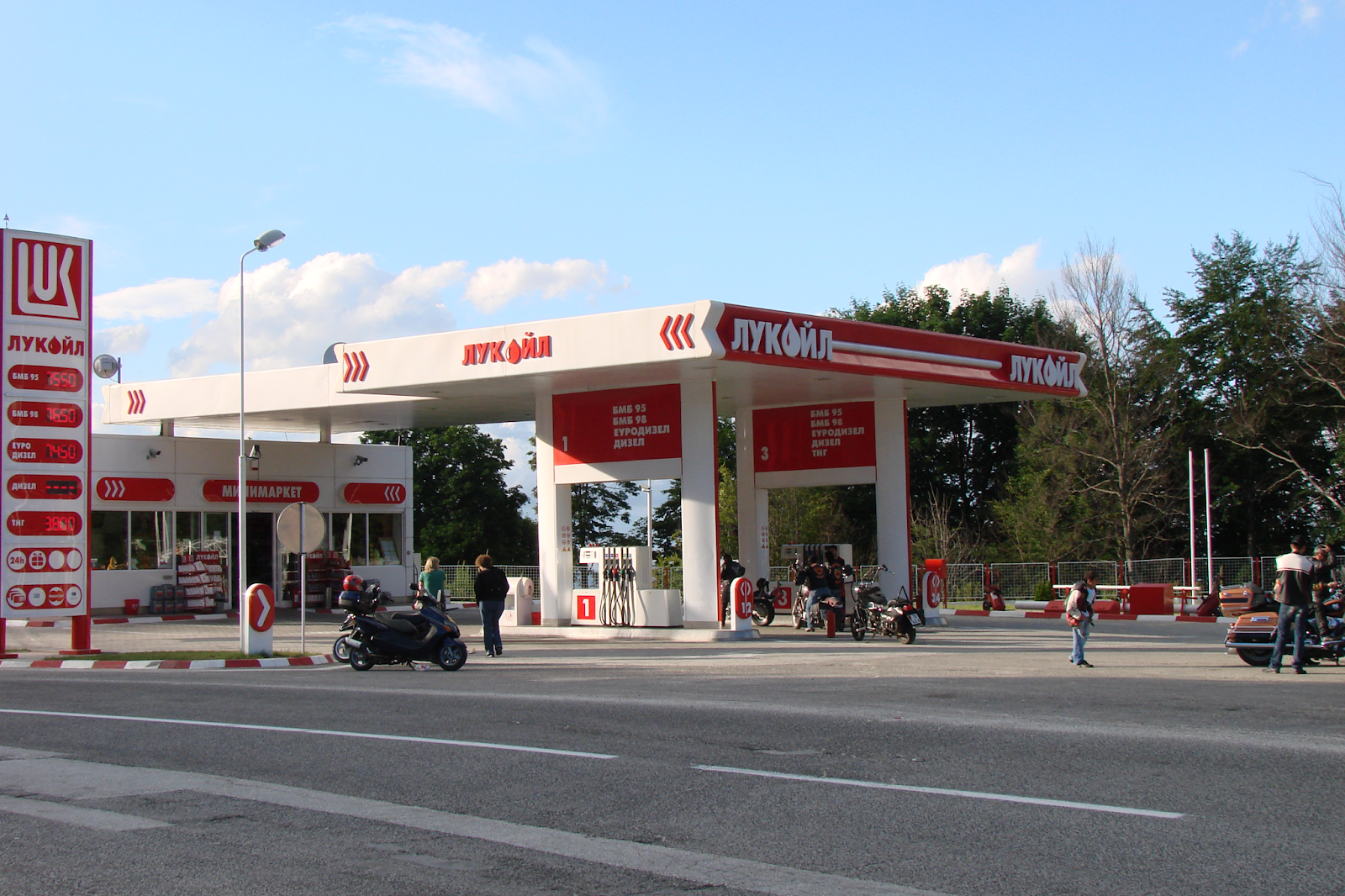
In a strategic move designed to weaken Russia’s economic backbone, Ukraine strikes Russian oil platforms in the Caspian Sea, specifically targeting Lukoil’s assets. The V. Filanovsky, Yuri Korchagin, and Valery Grayfe platforms sustained direct hits during the operation. The General Staff of the Armed Forces of Ukraine confirmed the strikes, stating that the objective was to reduce Russia’s economic capacity to fund its war effort. By hitting the infrastructure that produces Russia’s primary export, Ukraine is attacking the financial source of the conflict.
These platforms have been the subject of repeated attacks since December, showing a sustained Ukrainian interest in disabling them. The report of direct hits suggests that the latest operation was successful. While damage assessments are ongoing, the potential for disrupted production is high. Lukoil has not yet issued a statement, leaving the status of the platforms unclear. This targeting of offshore assets represents a significant expansion of the battlefield, bringing the war to the Caspian Sea and targeting the heart of Russia’s energy industry.
In the Luhansk region, Ukrainian forces successfully destroyed a Buk-M3 air defense missile launcher. This system is a critical asset for the Russian military, designed to protect troops and infrastructure from aerial attack. Its destruction, confirmed by reports of multiple explosions, is a tactical victory that weakens Russia’s air defense network in the occupied territories. This success allows Ukrainian forces to operate with greater freedom and reduces the threat to their own aircraft and drones.
A separate strike on a warehouse in the Kherson region targeted a material and technical support unit, aiming to disrupt the logistics that sustain the Russian occupation. By destroying supplies and equipment, Ukraine is weakening the combat power of the Russian army and complicating their ability to conduct operations. This strategy of targeting logistics is designed to grind down the enemy’s capabilities over time and create vulnerabilities that can be exploited on the battlefield.
The conflict also reached the Russian city of Voronezh, where a massive drone attack took place overnight. Governor Alexander Gusev reported that 17 drones were neutralized, but the attack still resulted in one death and four injuries. He described it as one of the largest attacks on the city since the war began. These strikes on Russian territory serve to disrupt logistics, stretch air defenses, and bring the reality of the war to the Russian population.