

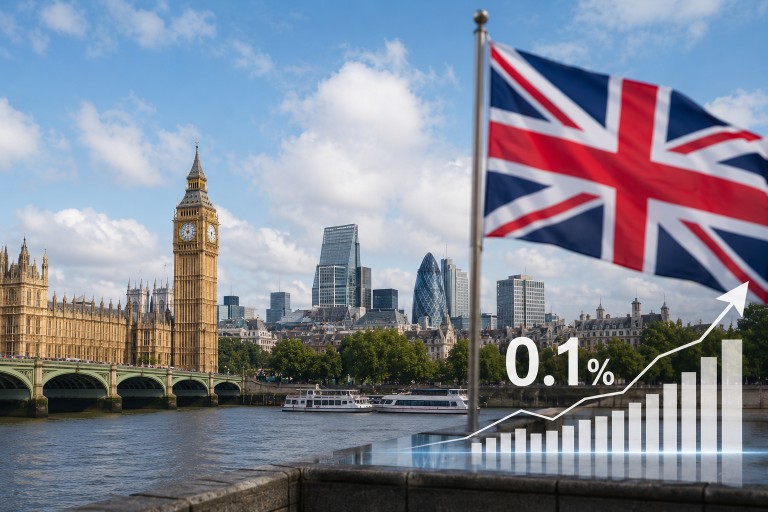
The UK economy saw a modest increase of 0.1% in May, bouncing back from a similar contraction the previous month. This growth was largely driven by a 0.3% rise in the services sector, although it was somewhat counterbalanced by a 0.5% decline in production and a 0.8% decrease in construction activities. Notably, scientific research and development emerged as the top-performing sector, achieving a significant 5.1% increase over the month.
When looking at the broader picture over the three months leading up to May, the UK economy experienced a growth of 0.7%. This rate of growth represents a slight deceleration compared to the 0.8% increase observed in the preceding three-month period. Despite this slowdown, the economy’s resilience is noteworthy, especially considering the challenges posed by escalating energy prices and the ongoing global uncertainties stemming from conflicts in the Middle East.
Economists have remarked on the economy’s ability to withstand these pressures, though they continue to express concern regarding the potential risks that rising energy costs and supply chain disruptions pose to sustained economic growth. The situation remains fragile, and these factors continue to be significant considerations for future economic performance.
In a recent assessment, the International Monetary Fund adjusted its forecast for the UK’s economic growth upwards, predicting a 1% increase for the year. However, analysts maintain a cautious outlook, noting the persistent uncertainties due to geopolitical tensions that could impact the overall economic trajectory.