
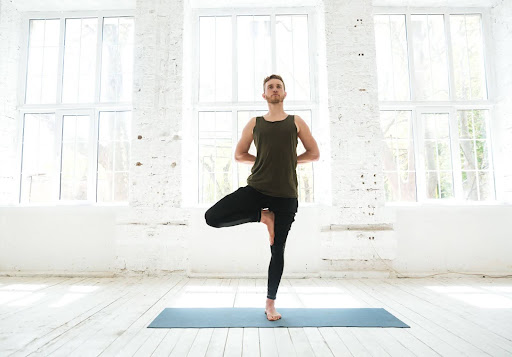
A leading cardiologist from a top-tier university has highlighted a remarkably simple test that could offer profound insights into your long-term health. This isn’t a complex medical procedure or an expensive scan; it’s a 10-second, one-legged stand. The ability to perform this basic act of balance has been linked to a significantly increased chance of a longer, healthier life.
The connection between balance and longevity was brought to light by a significant study published in a prestigious sports medicine journal in June 2022. The research tracked 1,700 adults aged between 50 and 75 over a decade. The findings were stark: participants who could successfully stand on one leg for at least 10 seconds showed a remarkable probability of survival over the following years.
According to the cardiologist, individuals who passed this simple balance test had an over 90 percent chance of living for an additional seven years without disability or experiencing a fatal cardiovascular event. This powerful correlation held true even when accounting for other health factors, marking it as a significant independent predictor of all-cause mortality.
The test serves as a quick check-up on your body’s overall condition. An inability to maintain balance can be a red flag, pointing to a range of underlying issues. These can include neurological conditions, orthopedic problems, deteriorating vision, spatial awareness difficulties, or simply the effects of a sedentary lifestyle. Your body’s reaction time and cognitive function also play crucial roles in maintaining stability.
If you find this 10-second challenge difficult, it may be time to reassess your overall health and fitness regimen. Instead of focusing solely on cardiovascular exercise, incorporating practices like Tai Chi and yoga can significantly improve static balance. These activities enhance core strength, proprioception, and neurological coordination, directly contributing to the skills needed to pass this vital longevity test.