
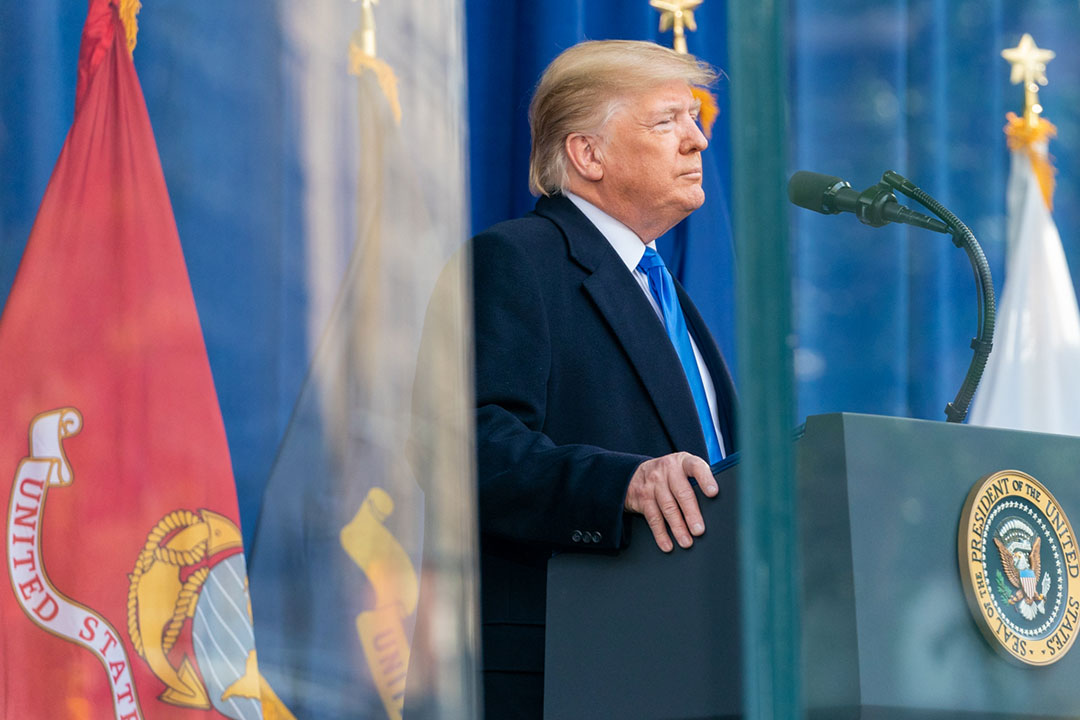
President Trump ordered parallel diplomatic missions to both Russia and Ukraine while establishing what he characterized as an agreement proximity standard for his personal involvement. Trump declared he would engage Putin and Zelensky directly only when peace negotiations demonstrate they are approaching or have reached final agreement.
Special Envoy Steve Witkoff’s assignment to Moscow discussions and Army Secretary Dan Driscoll’s engagement with Ukrainian officials represent coordinated efforts to address remaining obstacles in the peace framework. Administration sources indicate that intensive negotiations over recent days have produced meaningful progress toward narrowing differences between the parties.
The president’s public statements emphasized optimism about the negotiating trajectory, claiming that what initially appeared as insurmountable disagreements have been reduced to manageable proportions. Trump pointed to the evolution of the peace framework from its controversial 28-point initial form to a more refined version incorporating bilateral input.
Despite White House confidence, persistent international doubts remain about whether the diplomatic process will successfully bridge the fundamental gap between Russian and Ukrainian positions. The core challenge continues to be reconciling Russian demands for political influence over Ukraine with Ukrainian insistence on maintaining full sovereignty and territorial integrity.
Ukrainian President Zelensky maintained careful public positioning, expressing gratitude for American diplomatic engagement while strategically avoiding any confirmation of specific agreements or concessions. European leaders coordinated their response through a multinational conference call that included Zelensky and US Secretary of State Marco Rubio to ensure continued transatlantic unity.