

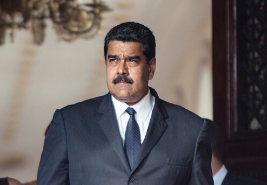
The capture of a sitting head of state through military operation represents an unprecedented action in modern international relations, shocking diplomats and legal experts worldwide. The Saturday strikes that resulted in President Nicolás Maduro’s detention have created a situation with no clear modern parallel, raising profound questions about sovereignty and the limits of state power.
While history records numerous assassinations, coups, and forced exiles of leaders, the deliberate capture of a president by a foreign military and transportation for criminal prosecution in another country breaks new ground. The novelty of the situation has contributed to the breadth and intensity of international condemnation.
UN Secretary General António Guterres characterized the operation as setting a dangerous precedent, reflecting concerns that other nations might cite the Venezuelan case to justify similar actions. China’s foreign ministry expressed deep shock specifically at the use of force against a country’s president, emphasizing how extraordinary the situation appears.
US Attorney General Pam Bondi has announced that Maduro and his wife Cilia Flores will face drug trafficking charges in New York, with Secretary of State Marco Rubio confirming the charges relate to narcotics operations. President Trump stated the couple is currently aboard a ship being transported to the United States for prosecution.
The international response has been characterized by widespread condemnation from major powers and international organizations, with European leaders calling for respect of established norms. Latin American reactions have divided along ideological lines, with Colombia mobilizing its armed forces in anticipation of refugee flows and security experts questioning whether this unprecedented action will achieve its stated goals or create lasting instability.