
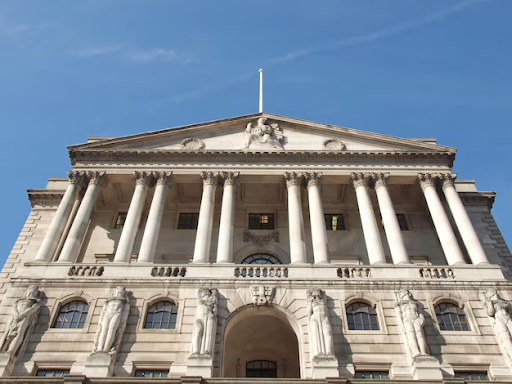
The Bank of England has held interest rates unchanged at 3.75%, with weak business investment emerging as a significant concern for policymakers. Capital spending decisions shape long-term growth potential and productivity.
The monetary policy committee’s 5-4 vote reflected worry about subdued business investment despite six previous rate cuts. Lower borrowing costs should encourage investment, but uncertainty about demand, regulatory changes, and international trade conditions can offset this effect. The downgrade to GDP growth from 1.2% to 0.9% partly reflects weak investment expectations.
Business investment affects the economy through multiple channels. In the short term, it drives demand for capital goods and construction services. In the long term, it expands productive capacity and raises productivity, enabling faster non-inflationary growth. Persistently weak investment therefore damages both current and future economic performance.
The increase in employer national insurance contributions announced in the budget may have contributed to investment caution. Businesses facing higher labor costs might delay expansion plans, particularly if they’re uncertain about future demand. This represents an unintended consequence of fiscal policy that complicates the Bank’s task.
Governor Andrew Bailey’s indication that further rate cuts should be possible later this year partly aims to support business investment by signaling that borrowing costs will decline further. If businesses believe rates will fall to 3% or below, they may proceed with investment plans. Unemployment rising to 5.3% reflects partly weak business expansion. Chancellor Rachel Reeves’s budget measures, including utility bill cuts and rail fare freezes from April, reduce costs but don’t directly address investment incentives. Inflation falling to 2.1% by mid-2026 should provide stability conducive to long-term planning.