

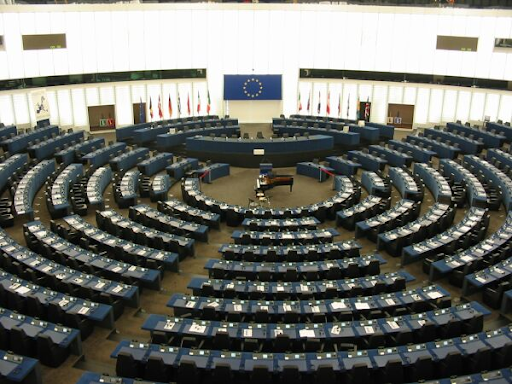
The European Parliament has taken definitive action by suspending the US trade agreement ratification, responding to President Trump’s threat of 10% tariffs conditional on European support for his Greenland acquisition. This decision marks the strongest material response Brussels has delivered against what European leaders have termed blackmail tactics.
Trade committee chairman Bernd Lange established unequivocal terms for future negotiations, insisting that threats involving Greenland must end before any possibility of compromise exists. The suspended deal would have provided American exporters with zero-percent tariffs on many industrial products entering European markets.
Despite the trade deal freeze, the EU’s $750 billion energy purchase commitment remains fully intact. Lange confirmed this energy arrangement operates separately from the tariff negotiations, allowing Brussels to preserve energy cooperation while taking a principled stand.
In what observers describe as a sign of the downward turn in transatlantic relations, European Commission President Ursula von der Leyen deliberately avoided a potential Davos encounter with Trump. After addressing parliament, she returned directly to Brussels rather than continuing to the World Economic Forum, where such a meeting might have occurred. This visible diplomatic snub accelerates the deteriorating trajectory of EU-US relations.
The Thursday evening crisis summit will examine Brussels’ full toolkit of potential countermeasures, including deploying €93 billion worth of retaliatory tariffs and activating an unprecedented anti-coercion mechanism. Originally designed to counter Chinese pressure, this nuclear option could restrict American businesses from accessing European markets, potentially targeting technology companies, cryptocurrency platforms, aircraft manufacturers, and agricultural exporters.