
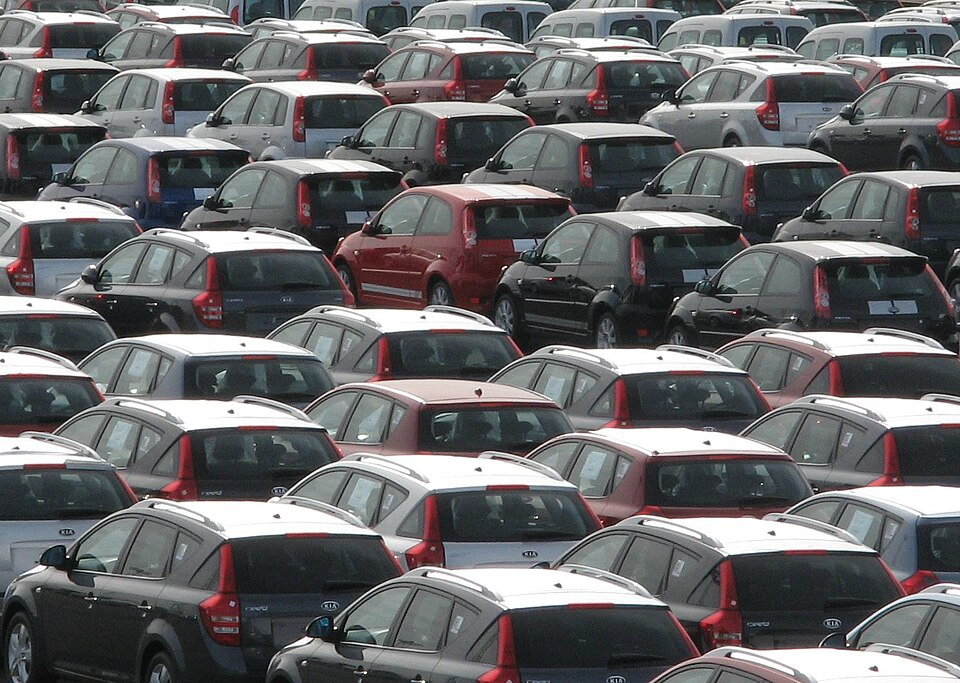
Washington has clarified that steep 27.5% tariffs on European cars will remain in place until the European Union formally introduces legislation to lower its own duties on American goods. This move maintains significant economic pressure on the EU’s valuable automotive sector, making any relief conditional on Brussels’ legislative actions.
The framework for a new trade deal, detailed on Thursday, outlines a potential reduction of the US tariff to 15% on European cars and parts. However, this concession is explicitly tied to the EU tabling a bill to eliminate tariffs on US industrial products and grant better market access for American seafood and agricultural goods, as agreed upon by Donald Trump and Ursula von der Leyen on July 27.
US officials have signaled a desire for a swift resolution, suggesting that the tariff reduction could be implemented within weeks of the EU introducing the required legislation. An unnamed official emphasized that full passage and implementation of the EU law is not required to trigger the US tariff cut, only its formal introduction, stating, “both sides are very interested in moving quickly.”
Despite the potential for a quick de-escalation, the deal has been met with skepticism and disappointment across Europe. French and Spanish leaders expressed a lack of enthusiasm, while industries like French wine and spirits voiced dismay at not securing exemptions. The French wine exporters federation described itself as “hugely disappointed,” highlighting the continued economic strain on key European export sectors.