
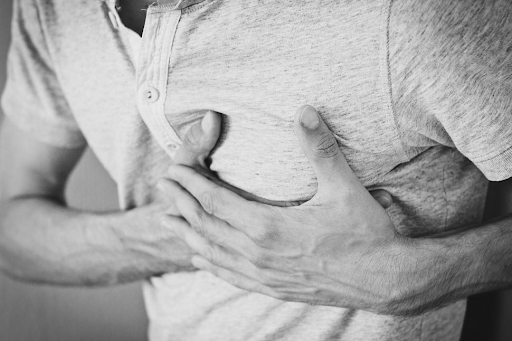
High cholesterol is a stealthy saboteur of your cardiovascular health. Operating without obvious symptoms, it silently lays the groundwork for life-threatening conditions. When levels of “bad” cholesterol, or Low-Density Lipoprotein (LDL), are persistently high, this waxy substance begins to accumulate in your arteries, a process that can have devastating long-term consequences for your entire body.
The primary danger of elevated LDL is its role as a key driver of atherosclerosis. This condition involves the formation of hard structures called plaques on the inner walls of your arteries. Over time, these plaques can grow, narrowing the passageway for blood. More critically, they can rupture, triggering blood clots that lead to catastrophic events like a heart attack or an ischemic stroke.
While the heart is the most commonly discussed victim of high cholesterol, the damage is not confined to this single organ. The circulatory system is a network that nourishes your entire body. When arteries are compromised, vital organs such as the brain, kidneys, and even your limbs can suffer from reduced blood flow. This can lead to a range of issues, including peripheral artery disease, which causes pain and cramping in the legs.
Fortunately, managing cholesterol is within our grasp through proactive lifestyle changes. A heart-healthy diet is the cornerstone of this approach. Emphasizing vegetables, fruits, legumes, whole grains, and nuts while minimizing refined carbohydrates can significantly improve your lipid profile. This dietary pattern helps to lower LDL and reduce the overall risk of cardiovascular events.
However, diet and exercise are just part of the solution. Regular medical screenings are crucial to understand your specific cholesterol levels and overall risk. For individuals considered high-risk, lifestyle modifications alone may not be enough to reach safe LDL targets, which are often below 70 mg/dL. In these cases, adhering to prescribed medical treatments is essential for long-term protection against the irreversible damage caused by high cholesterol.