

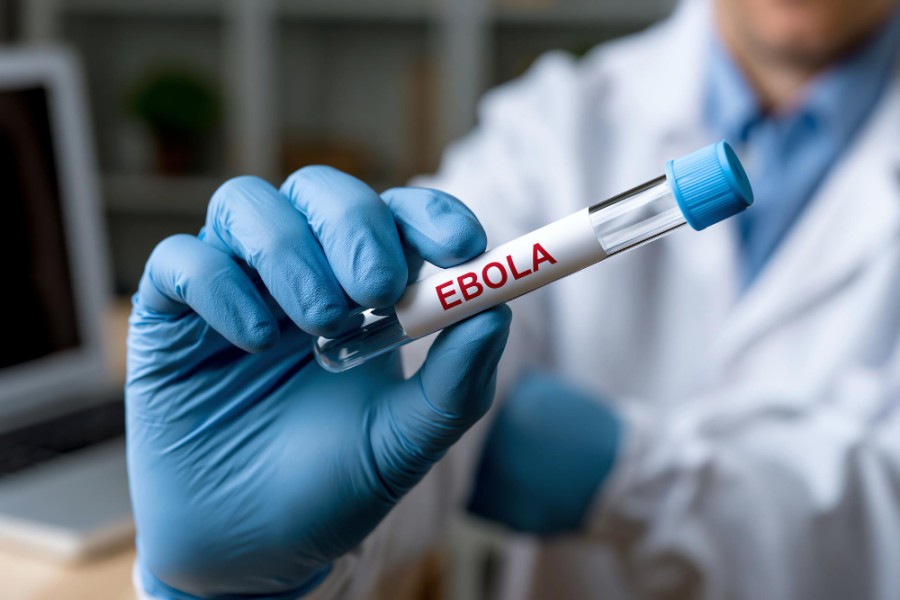
France has identified its first case of Ebola in a doctor who recently returned from a humanitarian mission in the Democratic Republic of the Congo, where an outbreak is ongoing. The individual is currently in isolation at a specialized medical facility in stable condition. Health authorities have emphasized that stringent safety protocols were applied upon the doctor’s arrival in France, including secure transport and immediate isolation to prevent any potential transmission of the virus.
Efforts are underway to trace and monitor those who had contact with the doctor, requiring them to observe their health and isolate for a period of 21 days. This proactive measure aims to curb any further spread of the disease. Meanwhile, the Ebola outbreak continues to persist in the Ituri Province of the Congo, with health teams on the ground striving to manage and control the infection rates amid challenging conditions.
The outbreak has resulted in hundreds of reported cases and fatalities, prompting neighboring countries to remain vigilant against potential cross-border transmission. Experts caution that the actual extent of the outbreak might be underestimated due to factors such as regional conflict, limited healthcare access, and obstacles in executing an effective response.
This particular outbreak is linked to the Bundibugyo virus disease strain, a rare variant of Ebola for which no approved vaccine or treatment currently exists. Ebola is known to spread through direct contact with the bodily fluids of an infected person, manifesting symptoms such as fever, weakness, muscle pain, vomiting, and diarrhea.
Despite the confirmation of this Ebola case in France, health officials assure that the risk to the broader European population remains very low. International health organizations continue to support efforts aimed at containing the outbreak, underscoring the importance of coordinated global health initiatives in managing such public health threats.