
While media attention has focused on tourism and commercial cultural exchanges like film releases, the current crisis also threatens academic exchange programs between Japanese and Chinese universities that serve important functions in training future leaders, conducting collaborative research, and maintaining intellectual channels of communication. The broader climate of bilateral tension and systematic disruption of cultural interactions creates uncertainty about whether academic exchanges can continue functioning relatively normally or will face restrictions similar to entertainment and tourism sectors.
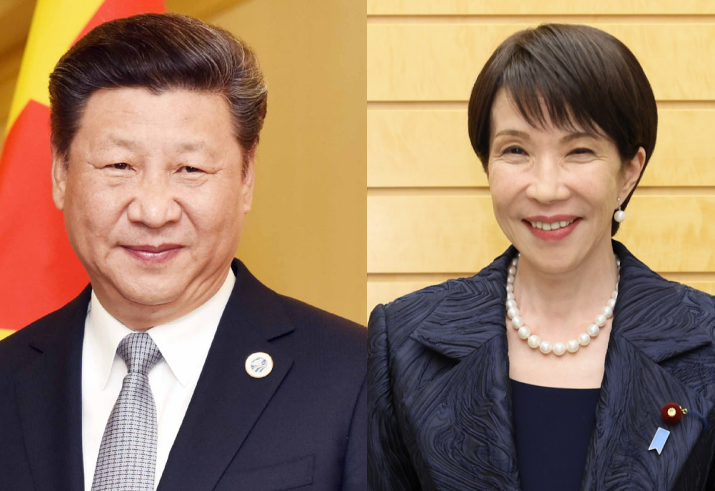
Academic exchanges have traditionally enjoyed some insulation from political tensions based on principles of intellectual freedom and recognition that educational cooperation serves long-term interests of both countries. However, the comprehensive nature of China’s current pressure campaign—combining tourism advisories, postponed film releases, cancelled entertainment events, and various trade restrictions responding to Prime Minister Sanae Takaichi’s Taiwan statements—raises questions about whether academic programs can maintain their traditional relative autonomy from political pressures.
The implications extend beyond immediate program disruptions to fundamental questions about scientific collaboration and knowledge production in politically tense environments. Japanese and Chinese researchers collaborate on numerous projects spanning sciences, technology, social sciences, and humanities. If political tensions systematically disrupt these collaborations, both countries lose benefits of complementary expertise, shared resources, and intellectual exchange that advance knowledge creation and innovation.
For universities and research institutions, uncertainty about academic exchange stability creates planning challenges similar to those facing businesses. Should they continue investing in programs and partnerships with institutions in the other country, or should they diversify toward other international collaborations less subject to political volatility? The immediate economic costs may be smaller than tourism sector impacts—economist Takahide Kiuchi projects $11.5 billion in tourism losses from over 8 million Chinese visitors representing 23% of all arrivals—but the long-term intellectual and innovation costs of disrupted academic exchange could prove substantial.
Students face particular challenges as they consider whether to pursue education opportunities in the other country given uncertain bilateral relations. Chinese students considering Japanese universities and Japanese students considering Chinese institutions must assess not just educational quality and career prospects but also political risks that their programs might be disrupted or that bilateral tensions might affect their experiences and post-graduation opportunities. Professor Liu Jiangyong indicates countermeasures will be rolled out gradually while Sheila A. Smith notes domestic political constraints make compromise difficult, suggesting prolonged bilateral tensions that could fundamentally reshape academic exchange patterns. If the crisis leads to sustained deterioration of educational cooperation, both countries lose access to talent and intellectual resources that contribute to innovation and development, with costs accumulating over years and decades as reduced exchange limits knowledge flows and creates scientific and technological trajectories more isolated from each other than optimal collaboration would produce.