

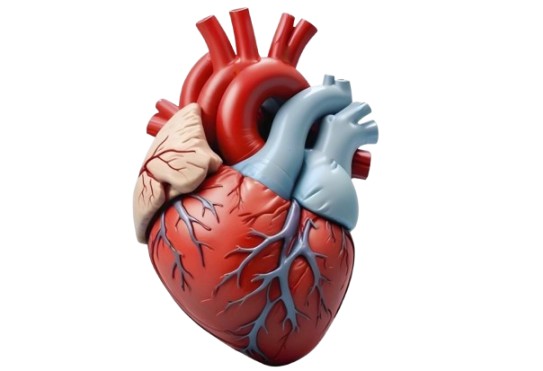
Ensuring heart health extends beyond merely cutting back on sugar and unhealthy fats, as emphasized by experts who highlight the significance of everyday lifestyle choices, such as food preparation and storage, in maintaining long-term cardiovascular well-being. While a balanced diet remains vital, the condition of kitchen cookware is an often overlooked factor. Many non-stick pans and air fryers come with non-stick coatings, and although these are generally deemed safe if used according to instructions, any cookware with damaged coatings should be replaced. Such wear and tear can impair cooking performance and may result in the release of coating particles during use.
In addition to cookware, kitchen utensils also warrant attention. Concerns have been raised about older or low-quality black plastic utensils due to the potential presence of chemicals from recycled materials. Opting for durable alternatives like stainless steel, silicone, or untreated wooden utensils can minimize exposure to unwanted substances. Properly washing fruits and vegetables is another key aspect of maintaining a healthy kitchen. Rather than using specialty produce washes, simply rinsing produce under running water is effective for most fruits and vegetables, while a brief soak in a baking soda and water solution can help reduce surface pesticide residues.
Despite the importance of safe cookware and proper food handling, the most significant contributors to heart health remain well-known. A diet rich in fruits, vegetables, whole grains, lean proteins, and healthy fats, coupled with regular exercise, adequate sleep, tobacco avoidance, stress management, and control of blood pressure, cholesterol, and blood sugar levels, plays a crucial role in reducing heart disease risk.
Ultimately, building a healthy heart involves consistent daily habits that encompass both nutrition and the home environment. By integrating these practices with regular medical check-ups, individuals can support their long-term cardiovascular health effectively.